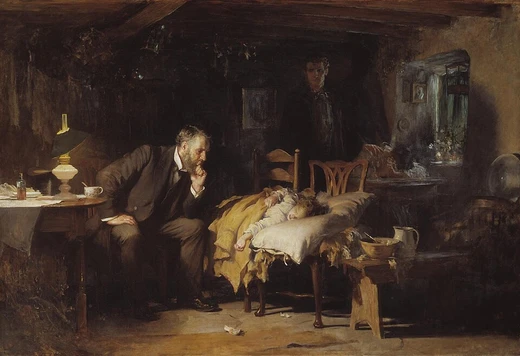
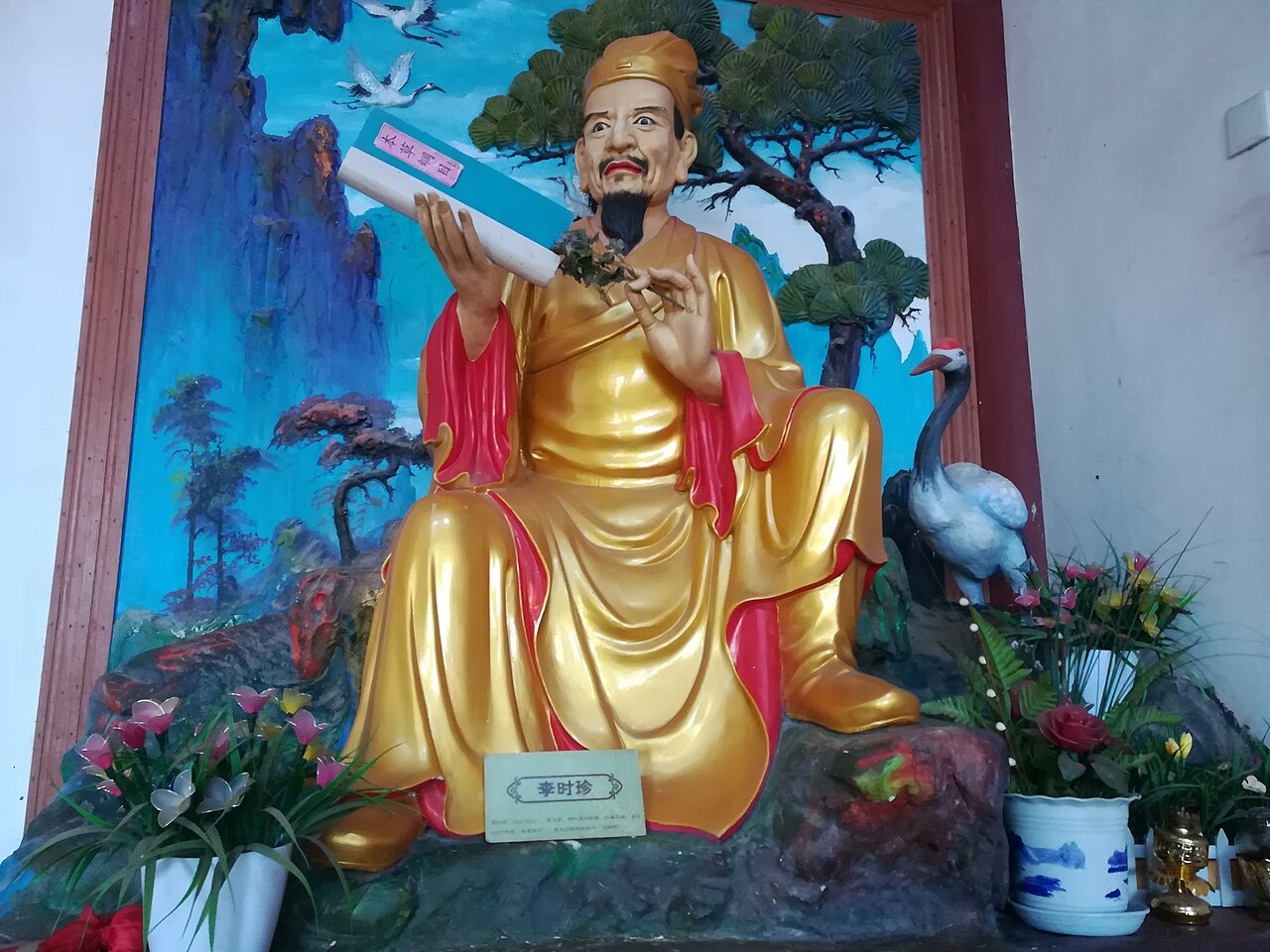
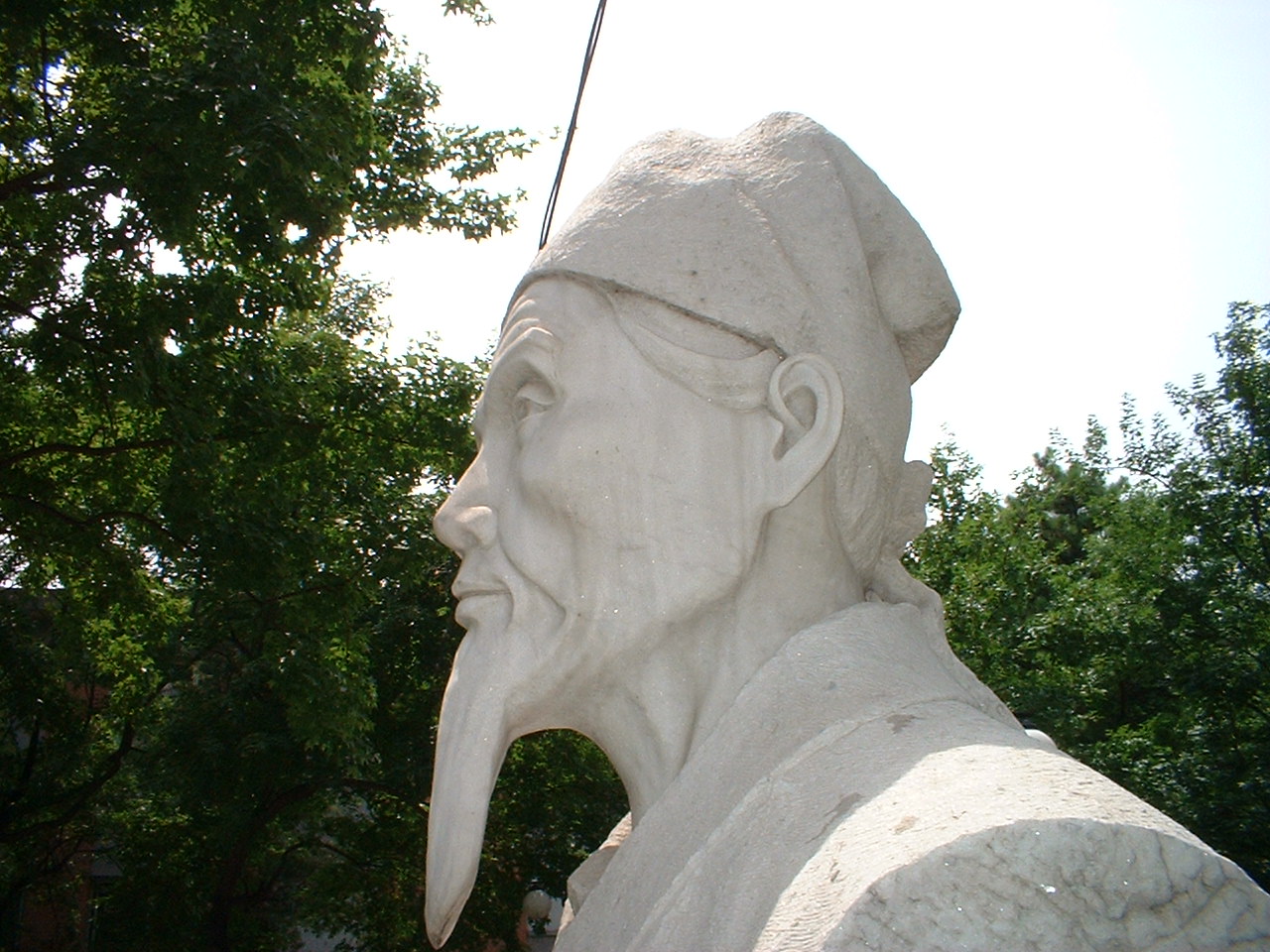
Li Shizhen
Ming dynasty physician and author of the Compendium of Materia Medica.

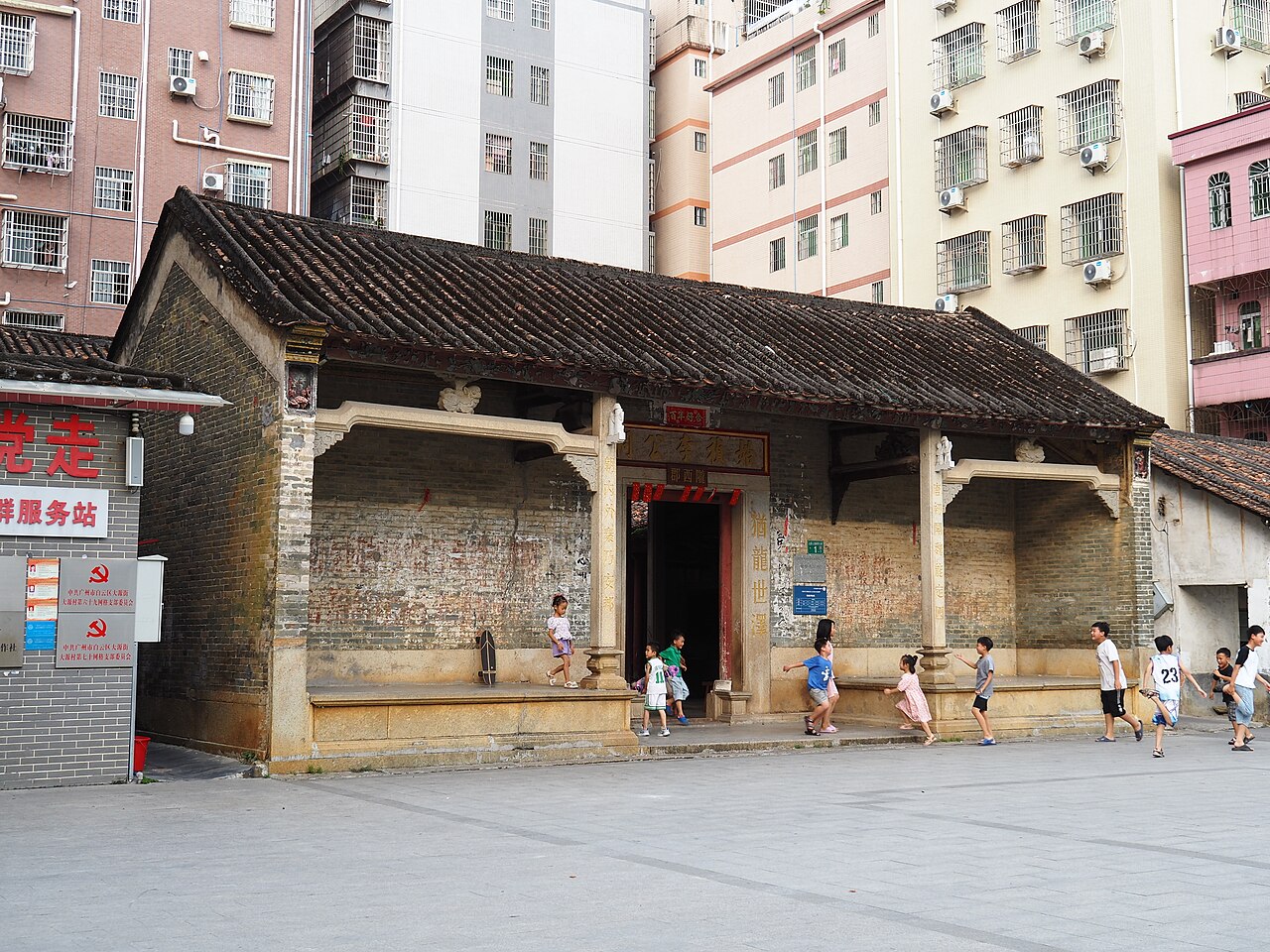
古海岸遗址 · CC BY-SA 4.0
- field
- Acupuncture, herbalism, naturalism, pharmacology, medicine
- nationality
- Chinese (Ming dynasty)
- known_for
- Compendium of Materia Medica (Bencao Gangmu)
Lore & Background
As a child, he suffered from an eye disease supposedly caused by overconsumption of peppercorn seeds. His grandfather was a traveling doctor of low social standing, and his father was a traditional physician and scholar who encouraged Li to seek a government position. Li took the national civil service exam three times but failed each time, after which he turned to medicine. As a young man, he began studying medicine under his father. When he was 38 and a practicing physician, he cured the son of the Prince of Chu and was invited to be an official there.
Reader's Guide
Li Shizhen's significance lies in his monumental work, the Compendium of Materia Medica, which took 27 years to write and included three revisions. Li developed methods for classifying herb components and medications, breaking them down into animal, mineral, and plant categories, and further by source or habitat. Five original editions still exist.
Did You Know?
- Li Shizhen failed the national civil service exam three times before turning to medicine.
- He wrote the Compendium of Materia Medica over 27 years, including three revisions.
- Li wrote about using ice to bring down a fever and using steam and fumigants to prevent infection.
Gallery
Frequently Asked Questions
What is Li Shizhen best known for?
He is most widely recognized as the author of the Compendium of Materia Medica (Bencao Gangmu), a sweeping reference on medicinal substances, plants, and pharmacology. This single project consumed roughly 27 years of his life to research and write.
What fields did Li Shizhen specialize in?
His expertise spanned acupuncture, herbal medicine, natural history, pharmacology, and general clinical practice. He is often described as a polymath of traditional Chinese healing arts during the Ming period.
How long did it take Li Shizhen to finish his Compendium?
The Bencao Gangmu required approximately 27 years of fieldwork, verification, and writing before it was finalized. That extraordinary timespan made it one of the most painstakingly compiled medical texts in Chinese history.
Why is Li Shizhen considered a pioneer of medicine?
His Compendium of Materia Medica became a cornerstone reference for traditional Chinese pharmacology and herbal practice for centuries after his death. By systematically cataloguing medicinal plants, minerals, and animals, he established a framework that influenced both Chinese and later Western botanical and pharmacological study.
More in Pioneers Of Medicine 25-29
Related in Pioneers Of Medicine
Links follow this subject's own source article.
Elsewhere in the Pioneers Of Medicine universe
Spotted an error? Know more?
This is a living reference — every entry is fact-audited, and reader corrections feed straight into our audit queue. Suggest an edit · See this site's audit record