Hunayn ibn Ishaq
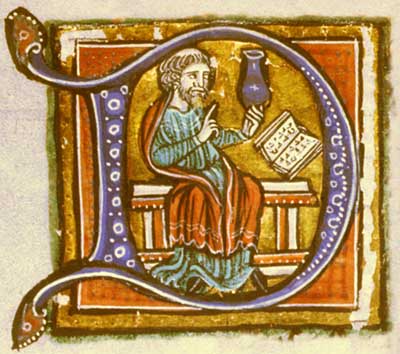
Abbasid translator and physician who advanced the translation of Greek medical works.

Christies.com · Public domain
During the Abbasid era, he became the most productive translator of Greek medical and scientific treatises, mastering Arabic, Syriac, Greek, and Persian, and was called the 'Sheikh of the Translators.' His work significantly advanced the translation movement that made classical knowledge accessible to the Islamic world, though he is not typically credited as the sole founder of Islamic medicine.
- field
- Translation, medicine, science, ophthalmology
- nationality
- Assyrian/Syriac Christian (from al-Hirah, Abbasid era)
- known_for
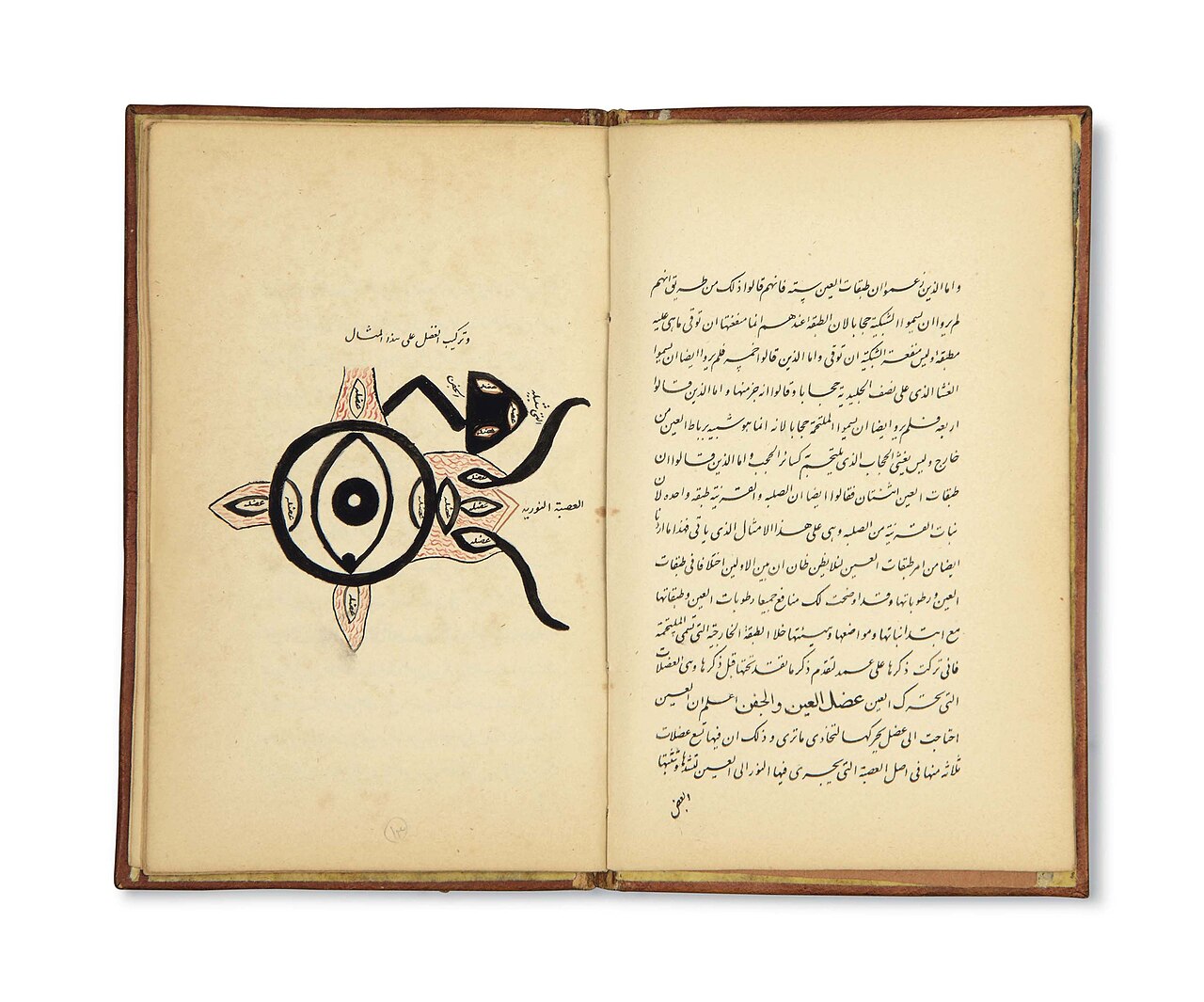
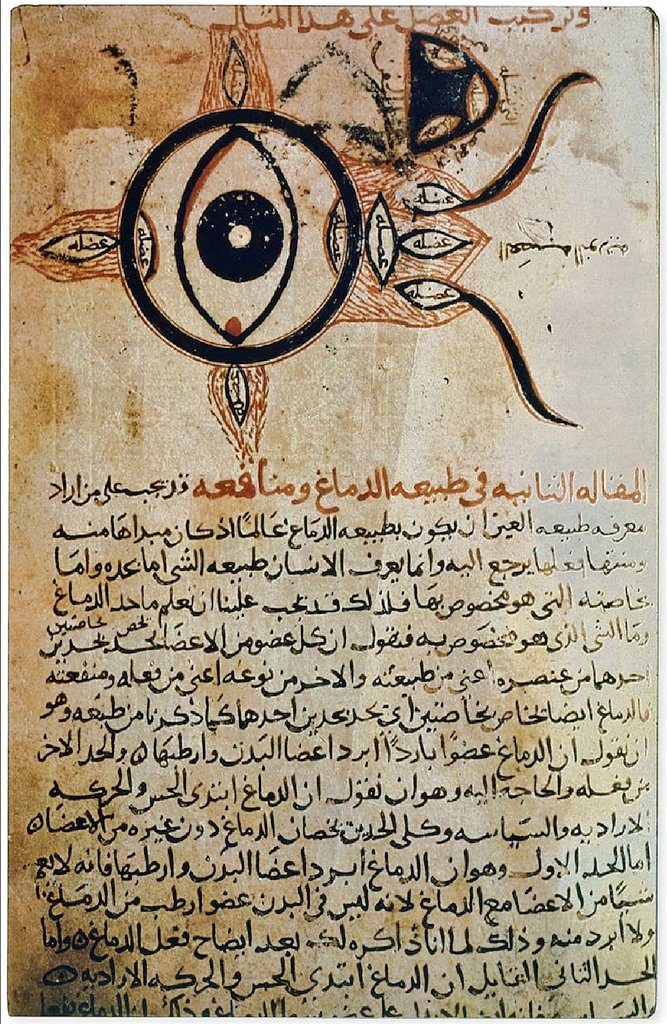
- Chief translator of Greek works, key figure in the translation movement, author of 'Book of the Ten Treatises of the Eye'
Lore & Background
As personal physician to Caliph al-Mutawakkil, Hunayn was imprisoned for a year after refusing to formulate a poison, citing the physician's oath to help and not harm. His translation method, based on accuracy, was widely followed. He worked with a group including Abū 'Uthmān al-Dimashqi, Ibn Mūsā al-Nawbakhti, and Thābit ibn Qurra, and his son Ishaq and nephew Hubaysh sometimes assisted. He has also been suggested by François Viré as the true identity of the Arabic falconer Moamyn.
Reader's Guide
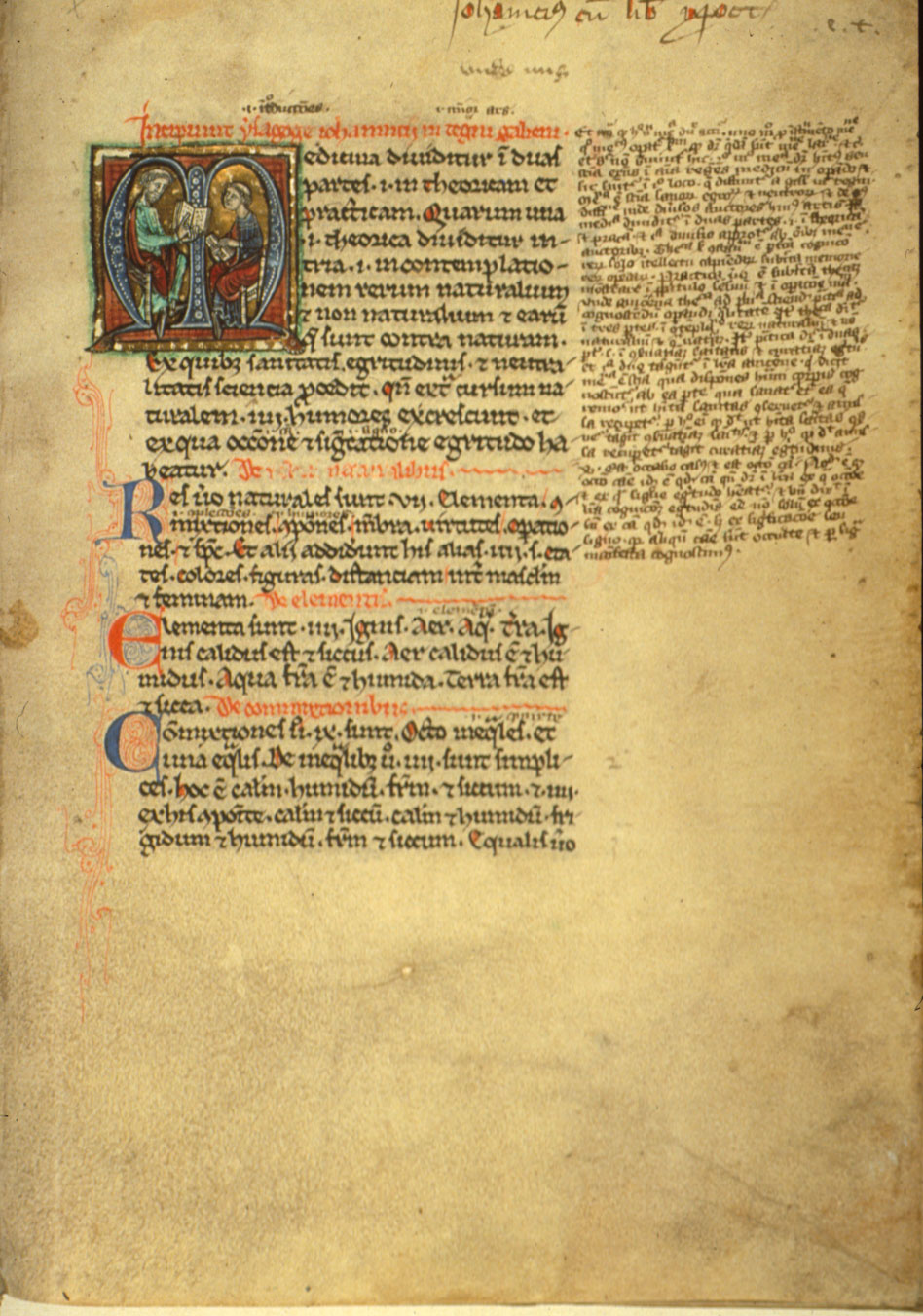
Hunayn ibn Ishaq's significance lies in his role as the era's most productive translator of Greek medical and scientific treatises, which directly enabled the transmission of classical knowledge into Arabic and Syriac. His method of translation set a standard for accuracy that later translators followed, and his original works, especially in ophthalmology, advanced medical understanding for centuries. By laying the foundations of Islamic medicine, he influenced both Eastern and Western medical traditions; his Latin name Johannitius reflects his impact on Europe. The translations he and his team produced—covering philosophy, mathematics, natural science, and medicine—were essential to the Abbasid Translation Movement, though the exact role of the House of Wisdom remains debated. His ethical stand against poisoning and his systematic approach to medicine and translation cemented his legacy as a pivotal figure in the history of science.
Did You Know?
- He wrote the first systematic textbook on ophthalmology, 'Book of the Ten Treatises of the Eye,' which reflects the ancient and medieval view that the crystalline lens is at the eye's center.
- He was imprisoned for a year after refusing Caliph al-Mutawakkil's request to formulate a poison, citing the physician's oath.
- He mastered four languages: Arabic, Syriac, Greek, and Persian.
Gallery
Frequently Asked Questions
What is Hunayn ibn Ishaq best known for?
He earned the title 'Sheikh of the Translators' for his prolific rendering of Greek medical and scientific texts into Arabic. His work was a cornerstone of the broader translation movement that carried classical knowledge into the Islamic world.
What languages did Hunayn ibn Ishaq work in?
He was fluent in Arabic, Syriac, Greek, and Persian, which let him translate directly from original Greek sources rather than depending on intermediate versions.
What is Hunayn ibn Ishaq's most famous authored work?
He wrote the 'Book of the Ten Treatises of the Eye,' a systematic text on ophthalmology that became a foundational reference in the study of eye disease and surgery.
Why is Hunayn ibn Ishaq important to the history of medicine?
His translations opened Greek medical and scientific knowledge to Arabic-speaking scholars, profoundly shaping the trajectory of Islamic medicine and science. Though he is not credited as the sole founder of Islamic medicine, his role as chief translator made him indispensable to the field's development.
More in Pioneers Of Medicine 1-24
Elsewhere in the Pioneers Of Medicine universe
Spotted an error? Know more?
This is a living reference — every entry is fact-audited, and reader corrections feed straight into our audit queue. Suggest an edit · See this site's audit record