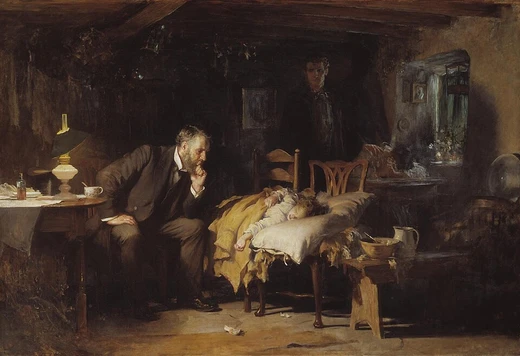
Hua Tuo
Chinese surgeon who pioneered general anesthesia with mafeisan.

Windmemories · CC BY-SA 4.0
Hua Tuo (華佗, ca. AD 145-220) was a Chinese surgeon of the 2nd century AD. According to the *Records of Three Kingdoms* (ca. AD 270) and the *Book of the Later Han* (ca. AD 430), Hua Tuo performed surgery under general anesthesia using a formula he had developed by mixing wine with a mixture of herbal extracts he called *mafeisan* (麻沸散). Hua Tuo reportedly used *mafeisan* to perform even major operations such as resection of gangrenous intestines. Before the surgery, he administered an oral anesthetic potion, probably dissolved in wine, in order to induce a state of unconsciousness and partial neuromuscular blockade.
- born
- ca. AD 145-220
- died
- ca. AD 145-220
- field
- Medicine
- nationality
- Chinese
- known_for
- First use of anaesthesia in China; mafeisan; surgery
Lore & Background
Hua Tuo lived during the 2nd century AD, with his life dated approximately AD 145–220. The exact composition of his anesthetic powder, *mafeisan*, was not mentioned in either the *Records of Three Kingdoms* or the *Book of the Later Han*. The name *mafeisan* combines *ma* (meaning 'cannabis, hemp, numbed or tingling'), *fei* (meaning 'boiling or bubbling'), and *san* (meaning 'to break up or scatter', or 'medicine in powder form'), probably meaning something like 'boiled cannabis powder'. Many sinologists and scholars of traditional Chinese medicine have guessed at the composition, but the exact components remain unclear. His formula is believed to have contained some combination of: *bai zhi* (*Angelica dahurica*), *cao wu* (*Aconitum kusnezoffii*), *chuān xiōng* (*Ligusticum wallichii*), *dong quai* (*Angelica sinensis*), *wu tou* (*Aconitum carmichaelii*), *yang jin hua* (*Datura stramonium*), *ya pu lu* (*Mandragora officinarum*), rhododendron flower, and jasmine root. Others have suggested the potion may have also contained hashish, bhang, shang-luh, or opium. Victor H. Mair wrote that *mafei* 'appears to be a transcription of some Indo-European word related to "morphine".' Some authors believe Hua Tuo may have discovered surgical analgesia by acupuncture, and that *mafeisan* either had nothing to do with or was simply an adjunct to his strategy for anesthesia. Many physicians have attempted to re-create the same formulation based on historical records but none have achieved the same clinical efficacy as Hua Tuo's. In any event, Hua Tuo's formula did not appear to be effective for major operations. Because Confucian teachings regarded the body as sacred and surgery was considered a form of body mutilation, surgery was strongly discouraged in ancient China. Because of this, despite Hua Tuo's reported success with general anesthesia, the practice of surgery in ancient China ended with his death.
Reader's Guide
Hua Tuo's key achievement was performing surgery under general anesthesia using *mafeisan*, a formula he developed by mixing wine with herbal extracts. He reportedly used it for major operations like resection of gangrenous intestines. The exact composition of *mafeisan* was lost when he burned his manuscripts just before his death, and it was not mentioned in the *Records of Three Kingdoms* or the *Book of the Later Han*. Scholars have guessed at ingredients including *bai zhi*, *cao wu*, *chuān xiōng*, *dong quai*, *wu tou*, *yang jin hua*, *ya pu lu*, rhododendron flower, and jasmine root, as well as hashish, bhang, shang-luh, or opium. Victor H. Mair suggested *mafei* may be related to 'morphine'. Some believe Hua Tuo may have discovered surgical analgesia by acupuncture, with *mafeisan* as an adjunct. No re-creation has matched his clinical efficacy, and his formula did not appear effective for major operations. Confucian teachings discouraged surgery, so the practice ended with his death.
Did You Know?
- Hua Tuo's anesthetic formula mafeisan was lost when he burned his manuscripts just before his death.
- The name mafeisan probably means 'boiled cannabis powder', combining ma (cannabis/hemp), fei (boiling), and san (powder).
- Victor H. Mair suggested that mafei appears to be a transcription of an Indo-European word related to 'morphine'.
- Because Confucian teachings regarded the body as sacred, surgery was strongly discouraged in ancient China, and the practice ended with Hua Tuo's death.
- Many physicians have attempted to re-create Hua Tuo's mafeisan formula but none have achieved the same clinical efficacy.
Surgical Practice and the Birth of Anesthesia
Hua Tuo, a Chinese surgeon active around the second century AD, stands as one of the earliest documented practitioners to perform operations under what we would now recognize as general anesthesia. Historical accounts preserved in the Records of the Three Kingdoms and the Book of the Later Han describe him administering an oral anesthetic potion, likely dissolved in wine, before undertaking procedures. This preparation was designed to push the patient into unconsciousness while also producing a partial neuromuscular blockade, effectively rendering the body still and pain-free. Among the operations attributed to him was the resection of gangrenous intestines, a procedure of considerable complexity even by modern standards. His surgical work was not limited to internal operations; he was also reported to have performed other major interventions. What made his practice extraordinary was the deliberate, planned use of a pharmacological agent to eliminate pain and awareness before cutting into the body, a concept that would not reappear in documented medical practice for many centuries.
The Lost Formula of Mafeisan
The precise recipe behind mafeisan, the herbal anesthetic powder Hua Tuo reportedly mixed with wine, remains one of medicine's most tantalizing unsolved puzzles. The name itself offers clues: "ma" evokes cannabis, hemp, or a numbing sensation; "fei" suggests boiling or bubbling; and "san" refers to a scattered or powdered medicinal form. Together, the term likely conveys something like "boiled cannabis powder." Yet neither the Records of the Three Kingdoms nor the Book of the Later Han lists a single ingredient. Scholars of traditional Chinese medicine and sinologists have proposed a long roster of possible components, ranging from Angelica dahurica and Szechuan lovage to Datura stramonium, monkshood root, and even mandrake. Some have speculated that opium, hashish, or bhang might have played a role, while Victor H. Mair suggested the word "mafei" could be a transcription of an Indo-European term related to morphine. The definitive answer was destroyed when Hua Tuo burned his own manuscripts shortly before his death, erasing the only complete record of his clinical knowledge.
A Culture That Rejected the Scalpel
In ancient China, the philosophical and religious landscape made Hua Tuo's surgical career an anomaly rather than a norm. Confucian teachings held the human body to be sacred, a gift that should not be violated or altered. Under this framework, cutting into flesh was widely regarded as a form of mutilation, and surgical intervention was strongly discouraged across the broader medical community. This cultural resistance meant that even a surgeon who could successfully operate under anesthesia, as Hua Tuo apparently did, occupied a marginal and potentially dangerous position in society. The consequences of this cultural stance became starkly apparent after his death: with no institutional tradition of surgery to carry forward his techniques, and with the philosophical aversion to bodily intervention still firmly entrenched, the practice of surgery in China effectively ceased. Hua Tuo's death did not merely remove one skilled practitioner; it extinguished an entire medical tradition that had no cultural scaffolding to sustain it beyond his lifetime.
Echoes Across Centuries: The Quest to Recreate
Hua Tuo's disappearance from the medical record did not erase his reputation. Centuries later, his name continued to inspire practitioners who sought to understand and replicate his anesthetic methods. The most ambitious of these efforts came from Hanaoka Seishū, an Edo-period Japanese surgeon who, beginning around 1785, devoted years to developing a compound that would approximate the pharmacological effects of mafeisan. His experiments were costly: his own wife, who volunteered as a test subject, lost her sight to adverse side effects. After prolonged trial and error, Hanaoka settled on a formula he called tsūsensan, built from Datura stramonium, monkshood, Szechuan lovage, and several other botanical extracts. Yet despite the historical echo, no physician who has attempted to reconstruct mafeisan from the fragmentary lists of possible ingredients has ever matched the clinical efficacy attributed to Hua Tuo's original preparation. His formula, whatever its exact contents, remains beyond full replication, a ghost in the annals of surgical history.
Gallery
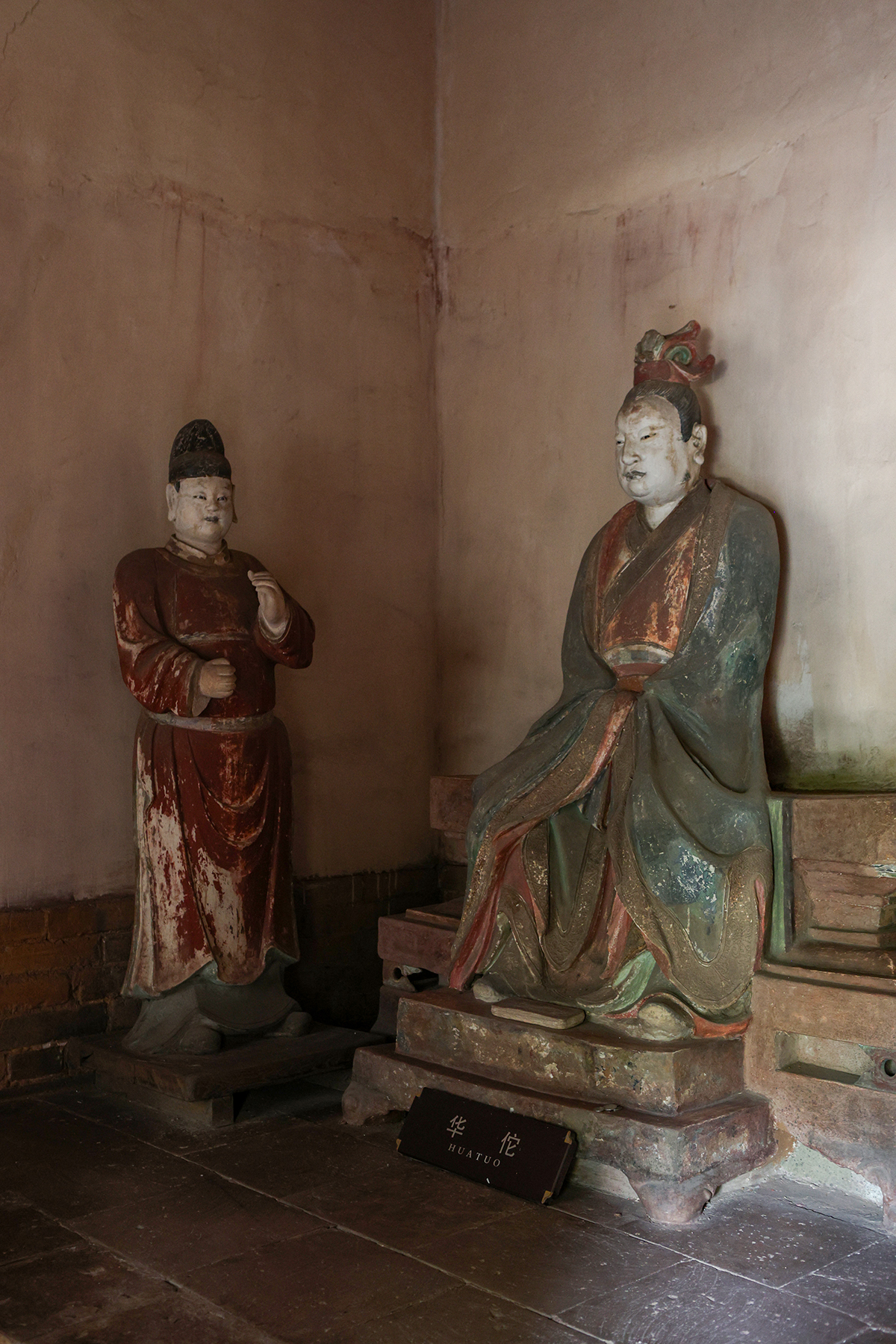
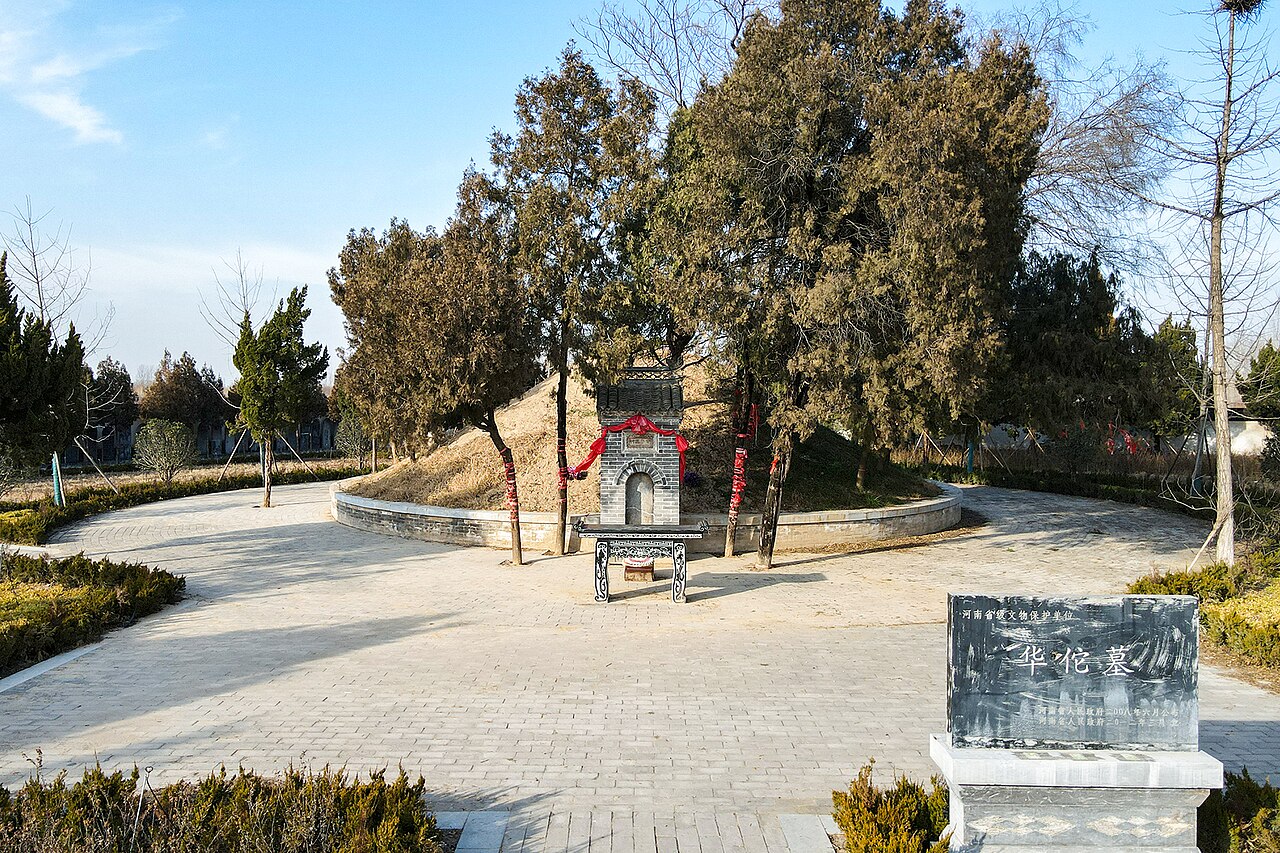
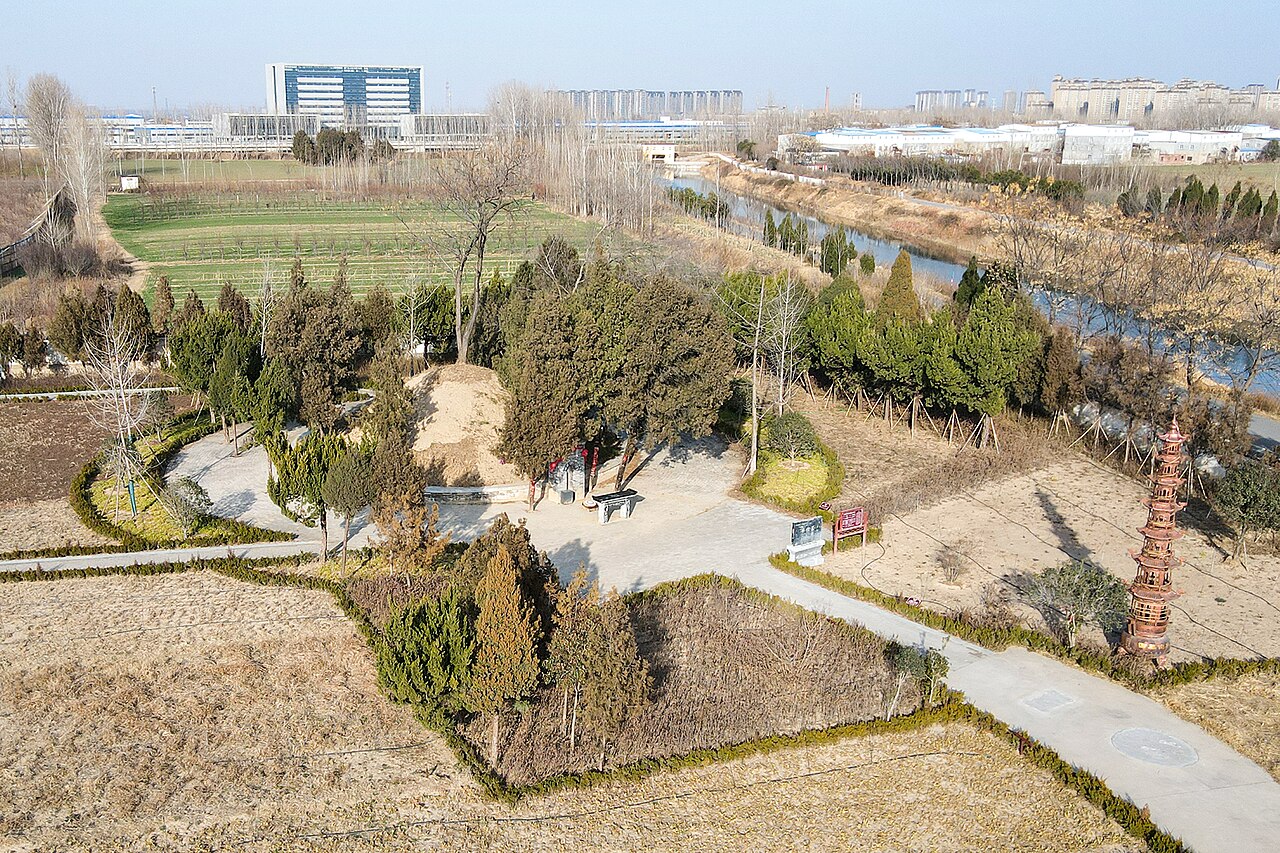
Frequently Asked Questions
Who is Hua Tuo?
Hua Tuo (courtesy name Yuanhua) was a Chinese physician active during the late Eastern Han dynasty, roughly between the 2nd and 3rd centuries CE. He is documented in major historical texts such as the Records of the Three Kingdoms and the Book of the Later Han.
What is Hua Tuo's most famous medical contribution?
He is credited as the first recorded practitioner in China to administer a general anaesthetic before performing surgery. His preparation, known as mafeisan, mixed wine with a blend of herbs to render patients unconscious during procedures.
What is the Wuqinxi (Exercise of the Five Animals)?
It is a therapeutic movement routine Hua Tuo devised after studying the natural motions of five different animals. The exercises were intended to promote circulation, joint flexibility, and overall vitality in his patients.
Besides surgery, what other medical skills was Hua Tuo known for?
He was highly regarded for his expertise in acupuncture, moxibustion, and herbal pharmacology. He also practiced and taught medical daoyin, a system of coordinated breathing and body-movement exercises.
How does Hua Tuo's story end?
According to historical accounts, he was executed around 208 CE after the warlord Cao Cao grew suspicious of him and ordered his death. His killing was widely regarded as a devastating loss for the medical community of the era.
More in Pioneers Of Medicine 1-24
Elsewhere in the Pioneers Of Medicine universe
Spotted an error? Know more?
This is a living reference — every entry is fact-audited, and reader corrections feed straight into our audit queue. Suggest an edit · See this site's audit record