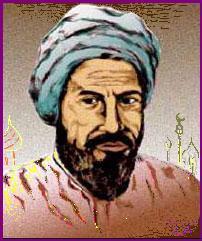
Ibn al-Nafis
Arab polymath who first described pulmonary circulation.

No machine-readable author provided. Shaolin128~commonswiki assumed (based on co · Public domain
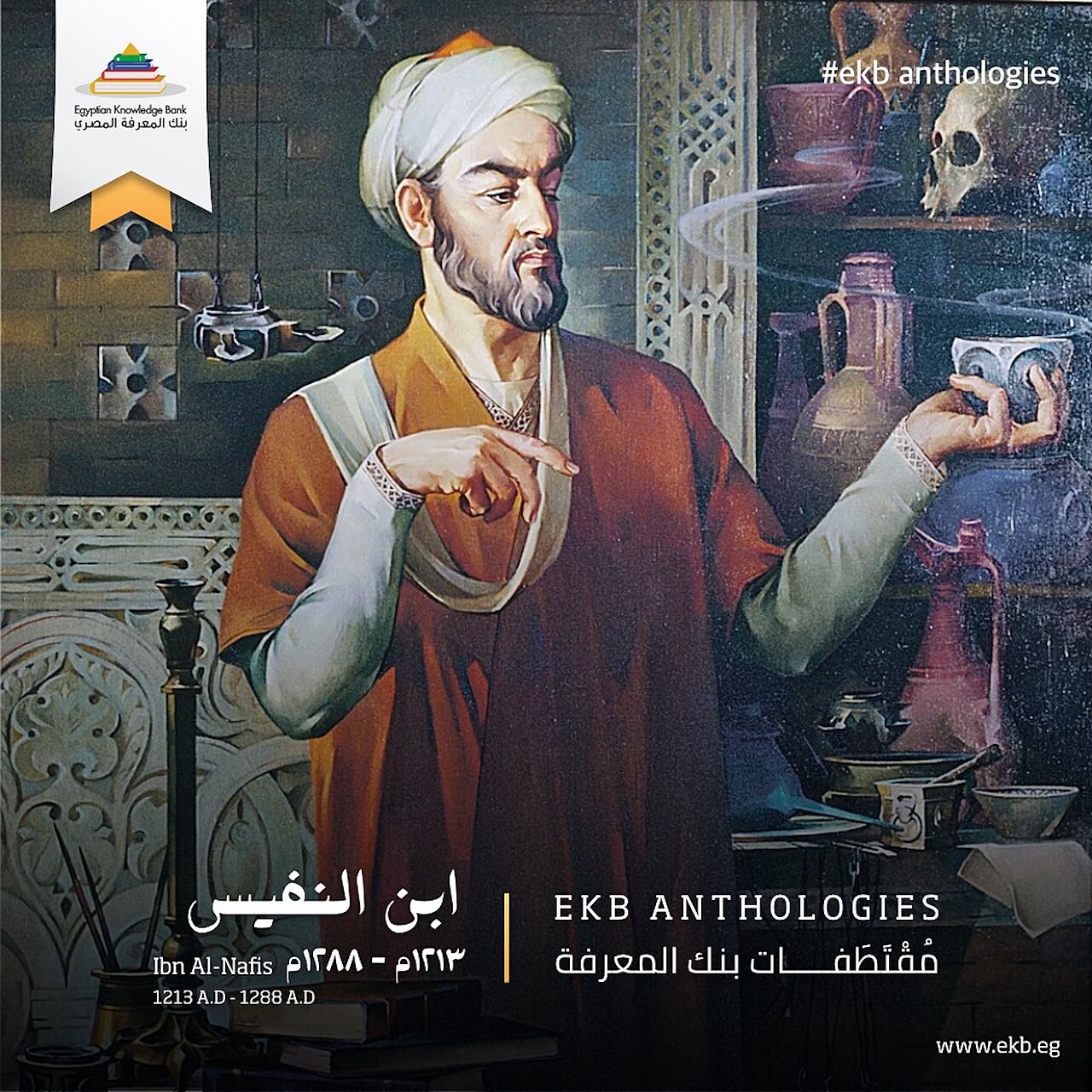
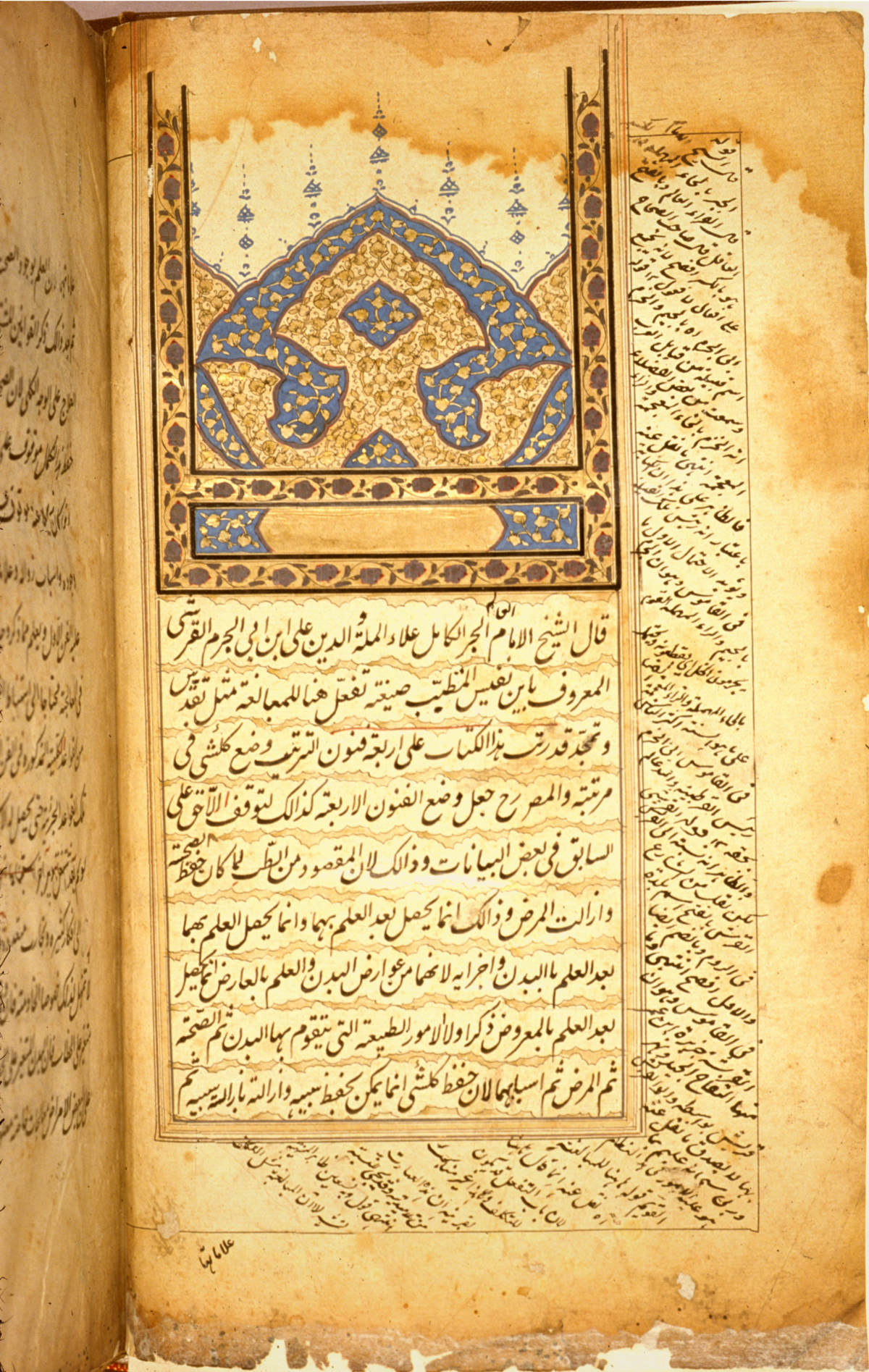
Ibn al-Nafis was an Arab polymath active in medicine, surgery, physiology, anatomy, biology, Islamic studies, jurisprudence, and philosophy. He is best known for being the first to describe the pulmonary circulation of the blood, a discovery that predated William Harvey's work by several centuries and challenged the long-standing theories of Galen.
- died
- in Cairo
- field
- medicine, surgery, physiology, anatomy, biology, Islamic studies, jurisprudence, philosophy
- nationality
- Arab
- known_for
- first to describe pulmonary circulation; early insights into coronary and capillary circulations; performed human dissections
Lore & Background
His nisba 'al-Qurashi' is debated: some link it to a village near Damascus, but most biographers hold it indicates tribal descent from the Quraysh, specifically the Banu Makhzum clan. He studied theology, philosophy, and literature early in life, then at age 16 began over ten years of medical study at the Nuri Hospital in Damascus, founded by Nur-al Din Mahmud ibn Zanki. He was a contemporary of the physician Ibn Abi Usaibia, and both were taught by Al-Dakhwar; Ibn Abi Usaibia's biographical dictionary omits Ibn al-Nafis, possibly due to personal animosity or rivalry. He became chief physician at al-Naseri Hospital, founded by Saladin, where he taught and practiced medicine. He also taught jurisprudence at al-Masruriyya Madrassa. He lived most of his life in Egypt, witnessing the fall of Baghdad and the rise of the Mamluks, and served as personal physician to Sultan Baibars and other leaders. At age 74, he was appointed chief physician of the newly founded al-Mansori Hospital, where he worked until his death. He died in Cairo after several days of sickness; his student Safi Abu al-Fat'h composed a poem about him. Before death, he donated his house and library to Qalawun Hospital.
Reader's Guide
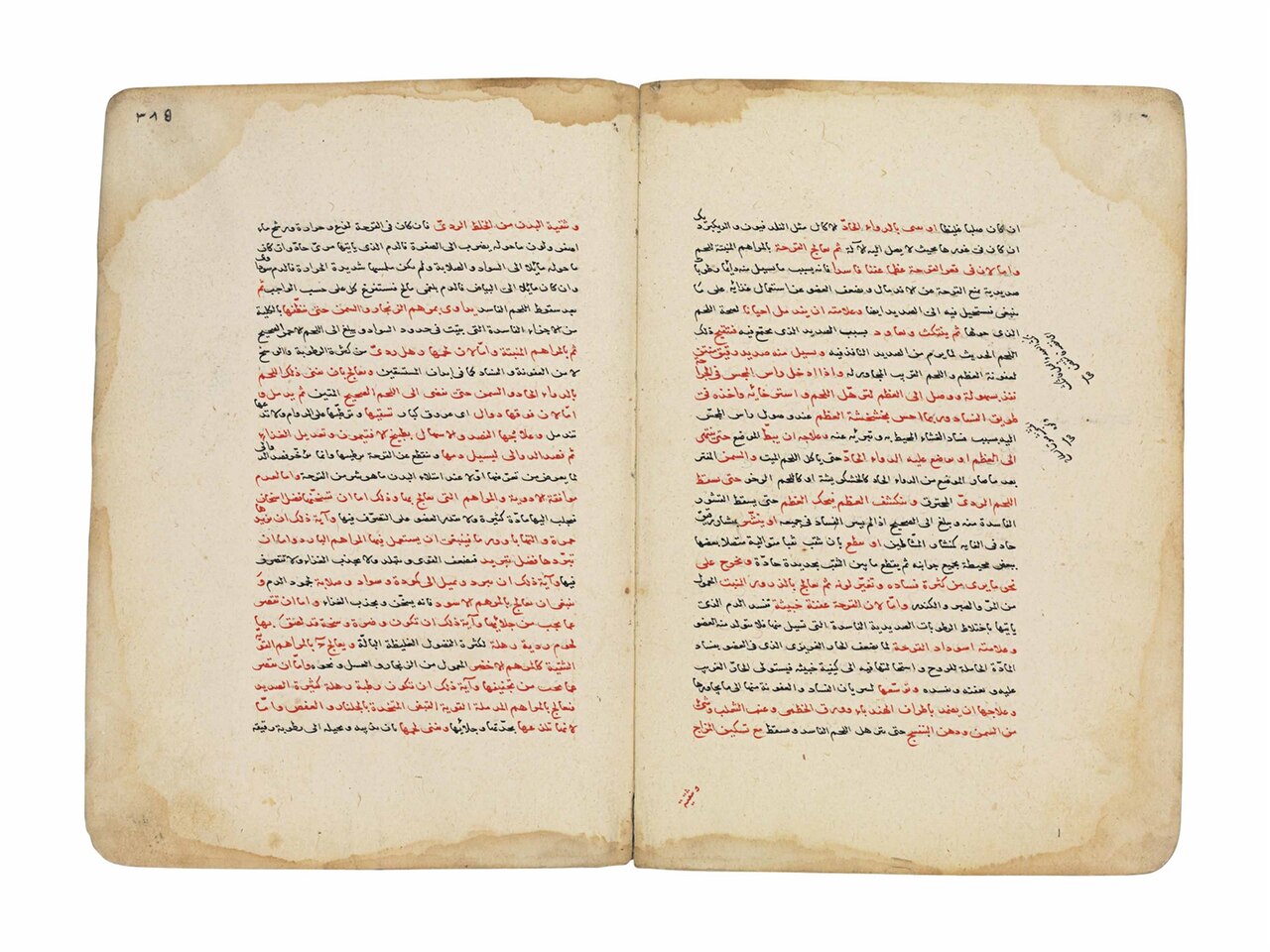
Ibn al-Nafis's significance lies in his challenge to the Galenic model of circulation, which had dominated for over a millennium. He also provided early insights into coronary and capillary circulations, and performed human dissections that advanced anatomy and physiology. Much of it is lost, with only two volumes extant in Egypt. His commentaries on Hippocrates' Nature of Man and Endemics offer evidence of medical education practices, including the use of ijaza (licenses). Ibn al-Nafis's boldness in challenging authorities like Galen and Avicenna marked a departure from the Greco-Roman tradition, and his work influenced later European medicine. He is sometimes called 'the second Avicenna' due to his discoveries.
Did You Know?
- He performed human dissections and gave early insights into coronary and capillary circulations.
- He donated his house and library to Qalawun Hospital before his death.
Gallery

Frequently Asked Questions
What is Ibn al-Nafis's most famous discovery?
He was the first person to correctly describe the pulmonary circulation of blood, showing how blood travels through the lungs before reaching the rest of the body. This insight predated William Harvey's later work by several centuries and directly contradicted the long-dominant theories of Galen.
What other medical contributions did Ibn al-Nafis make?
Beyond pulmonary circulation, he offered early observations on coronary and capillary blood flow, areas that would not be fully understood for many more centuries. He also carried out human dissections, a practice that was uncommon and controversial in his era.
Why is Ibn al-Nafis considered so important in the history of medicine?
His description of pulmonary circulation shattered Galen's centuries-old model of how blood moved through the body, forcing later scholars to rethink fundamental physiology. By grounding his claims in direct anatomical observation rather than inherited authority, he set a methodological example that echoed through later medical science.
More in Pioneers Of Medicine 1-24
Elsewhere in the Pioneers Of Medicine universe
Spotted an error? Know more?
This is a living reference — every entry is fact-audited, and reader corrections feed straight into our audit queue. Suggest an edit · See this site's audit record