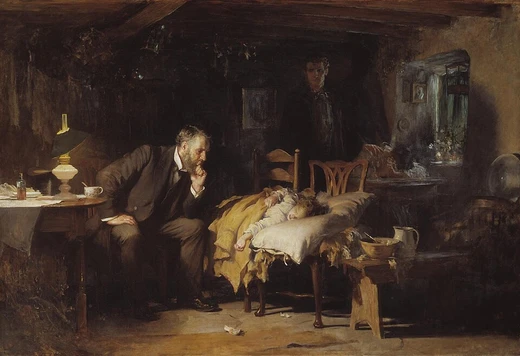
Li Shizhen
Ming dynasty physician and author of the Compendium of Materia Medica.
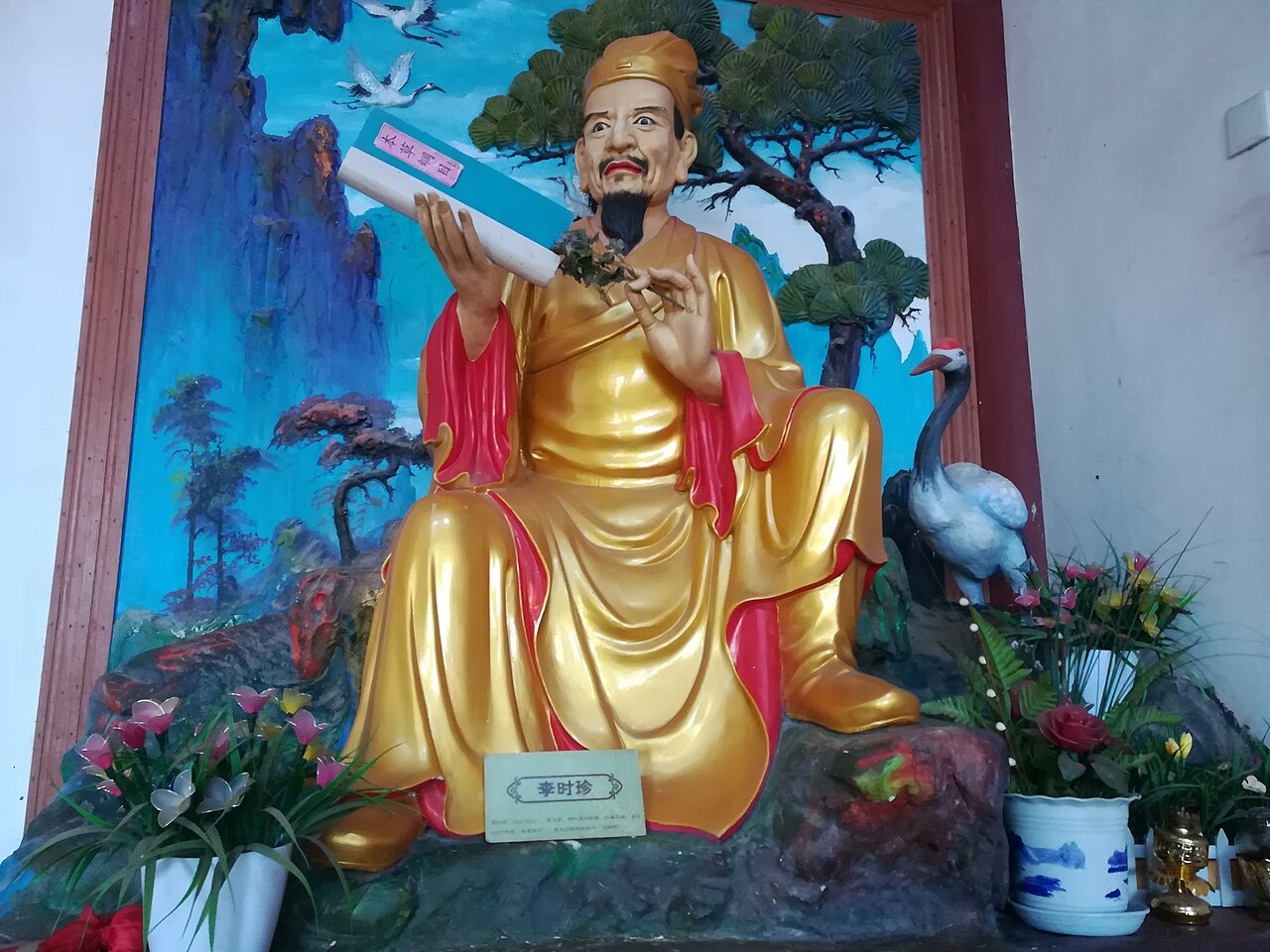
Li Shizhen was a Ming dynasty physician, herbalist, naturalist, pharmacologist, and writer, best known as the author of the *Compendium of Materia Medica* (*Bencao Gangmu*). Born on 3 July 1518 in what is now Qizhou, Qichun County, Hubei, he suffered from an eye condition as a child, attributed to excessive consumption of peppercorn seeds. His grandfather was a traveling doctor of low social standing, while his father was a traditional physician and scholar who wrote several influential books and encouraged Li to pursue a government career. After failing the national civil service exam three times, Li turned to medicine, becoming his father’s apprentice at age 78. At 38, he cured the son of the Prince of Chu and was invited to serve as an official there. He later obtained a post as assistant president at the Imperial Medical Institute in Beijing, but left after a year to return to practicing medicine.
In his government role, Li gained access to rare medical texts and began correcting errors and inconsistencies in existing publications. This led him to compile the *Compendium of Materia Medica*, a project that took 27 years and three revisions. He traveled extensively to gain firsthand knowledge of herbs and local remedies, consulted over 800 books, and based part of his work on the earlier *Classified Materia Medica for Emergencies*. The writing reportedly harmed his health; a friend noted he was emaciated after completing it, and he died before the book was officially published, receiving little attention from the Ming emperor. The *Compendium* contains 1,892 entries covering more than 1,800 traditional Chinese medicines, with 1,100 illustrations and 11,000 prescriptions. It describes the type, form, flavor, nature, and application of 1,094 herbs, and includes subjects like botany, zoology, mineralogy, and metallurgy. Li classified herbs not only by strength but also by animal, mineral, and plant categories, further dividing them by source or habitat—for example, grouping aquatic or rock-origin plants, or all sweet-smelling plants together. Each entry includes details on false classifications, secondary names, origin, appearance, preparation, taste, indications, and prescriptions. The *Compendium* also introduced 374 substances not found in earlier works, and 8,000 of its 11,000 prescriptions were previously obscure. Li wrote eleven other books, including
- field
- Acupuncture, herbalism, naturalism, pharmacology, medicine
- nationality
- Chinese (Ming dynasty)
- known_for
- Compendium of Materia Medica (Bencao Gangmu)
Lore & Background
As a child, he suffered from an eye disease supposedly caused by overconsumption of peppercorn seeds. His grandfather was a traveling doctor of low social standing, and his father was a traditional physician and scholar who encouraged Li to seek a government position. Li took the national civil service exam three times but failed each time, after which he turned to medicine. As a young man, he began studying medicine under his father. When he was 38 and a practicing physician, he cured the son of the Prince of Chu and was invited to be an official there.
Reader's Guide
Li Shizhen's significance stems from his 27-year compilation of the *Compendium of Materia Medica*, a pharmacology text containing nearly 1,900 entries that describe over 1,800 traditional Chinese medicines, supported by 1,100 illustrations and about 11,000 prescriptions. He developed innovative classification methods, grouping herbs, animals, and minerals by their source, and further subdividing plants by habitat—such as aquatic or rock origins—or by special traits like scent. The work corrected numerous errors and conflicting information found in earlier medical publications, drawing on over 800 books and first-hand observations from his travels. Each entry included details on appearance, preparation, taste, nature, indications, effects, and dosage, along with explanations of doubtful points and previously false classifications. The treatise also covered botany, zoology, mineralogy, and metallurgy. Li emphasized preventative medicine, listing over 500 treatments for maintaining health, 50 of which he invented. He wrote about gallstones, using ice for fever, and steam or fumigants to prevent infection. Only five original editions remain, but the book has been translated into several languages and remained in use until 1959.
Did You Know?
- Li Shizhen suffered from an eye disease as a child, supposedly caused by overconsumption of peppercorn seeds.
- He took the national civil service exam three times and failed each time before turning to medicine.
- At age 38, he cured the son of the Prince of Chu and was invited to be an official there.
- His Compendium of Materia Medica took 27 years to write and included three revisions.
- Five original editions of the Compendium of Materia Medica still exist.
Gallery
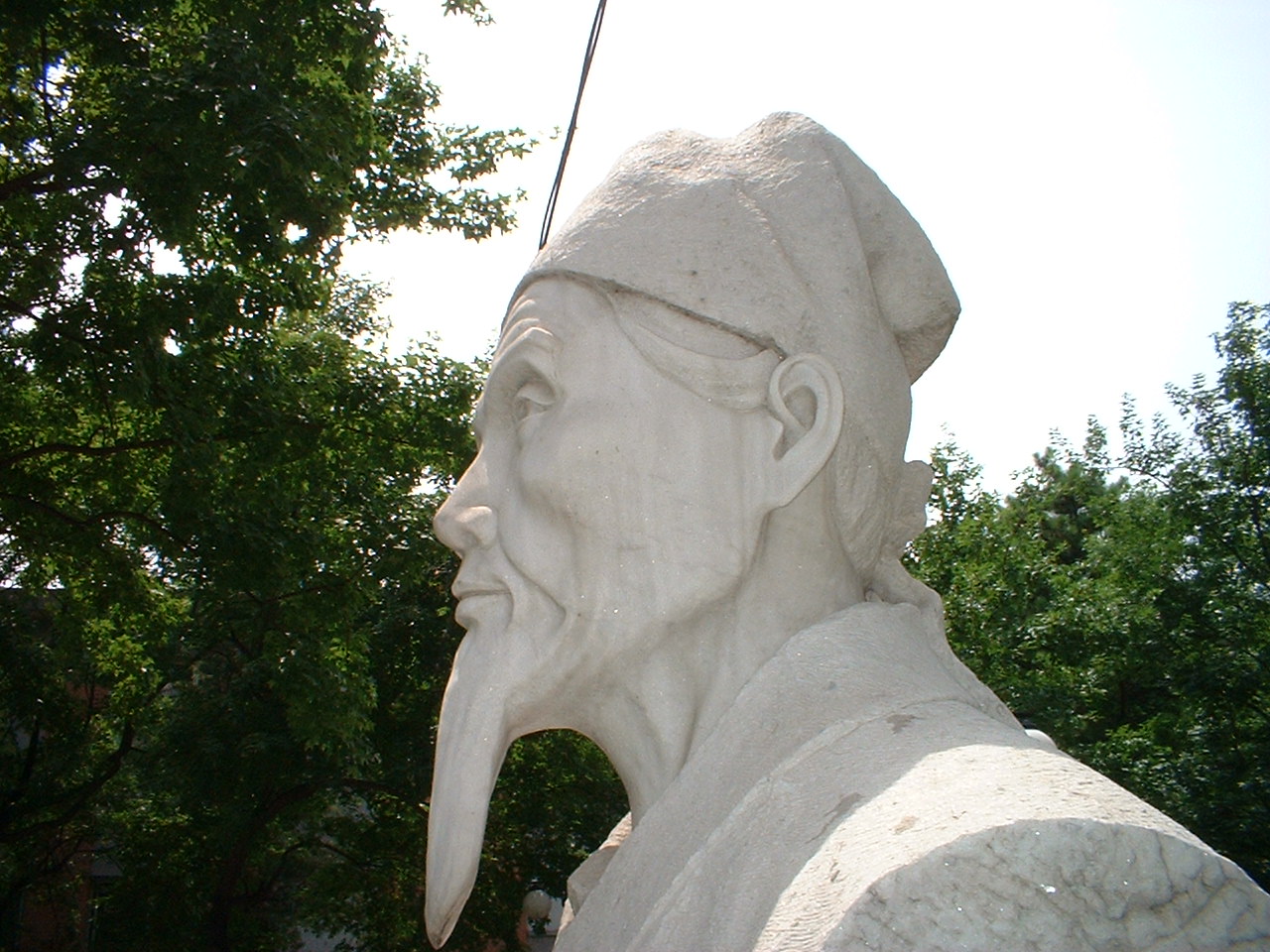
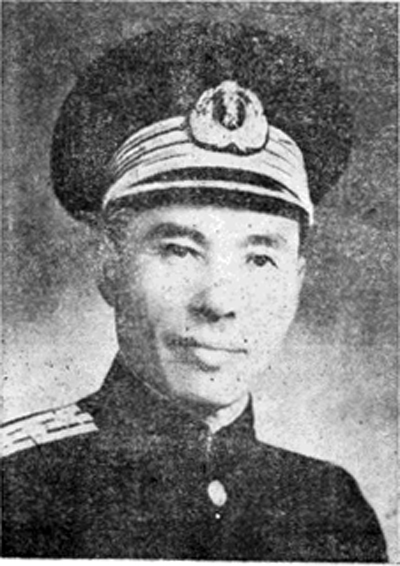
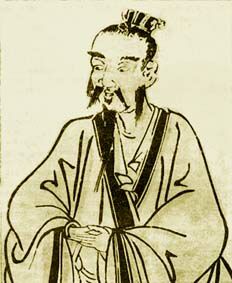
Frequently Asked Questions
What is Li Shizhen best known for?
He is most widely recognized as the author of the Compendium of Materia Medica (Bencao Gangmu), a sweeping reference on medicinal substances, plants, and pharmacology. This single project consumed roughly 27 years of his life to research and write.
What fields did Li Shizhen specialize in?
His expertise spanned acupuncture, herbal medicine, natural history, pharmacology, and general clinical practice. He is often described as a polymath of traditional Chinese healing arts during the Ming period.
How long did it take Li Shizhen to finish his Compendium?
The Bencao Gangmu required approximately 27 years of fieldwork, verification, and writing before it was finalized. That extraordinary timespan made it one of the most painstakingly compiled medical texts in Chinese history.
Why is Li Shizhen considered a pioneer of medicine?
His Compendium of Materia Medica became a cornerstone reference for traditional Chinese pharmacology and herbal practice for centuries after his death. By systematically cataloguing medicinal plants, minerals, and animals, he established a framework that influenced both Chinese and later Western botanical and pharmacological study.
More in Pioneers Of Medicine 1-24
Related in Pioneers Of Medicine
Links follow this subject's own source article.
Spotted an error? Know more?
This is a living reference — every entry is fact-audited, and reader corrections feed straight into our audit queue. Suggest an edit · See this site's audit record